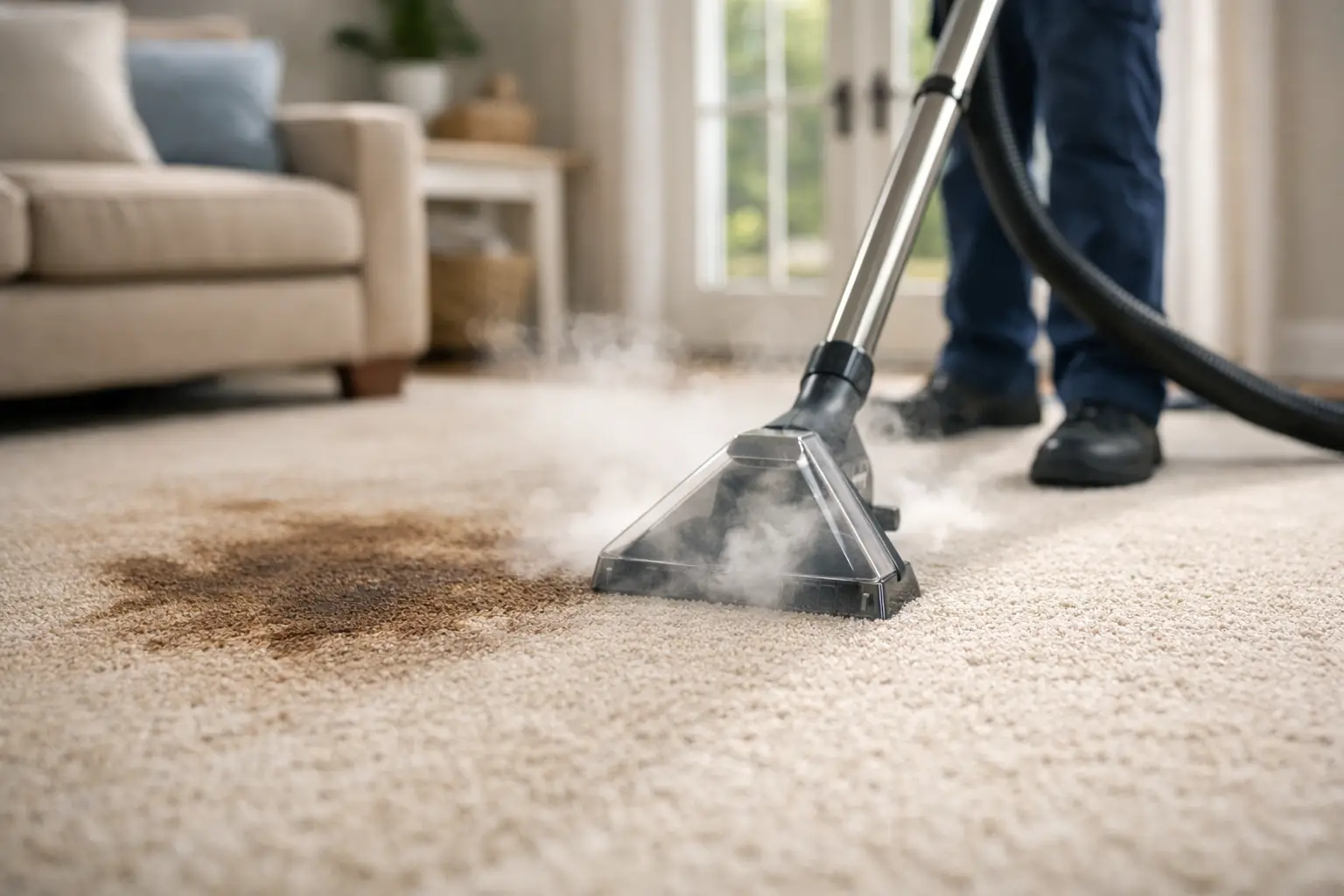
A coffee spill from last winter. A pet accident you thought was handled. A mystery spot that appeared under the sofa after a busy week with kids. Homeowners ask us, can steam remove old stains once they have had time to dry, settle, and become part of the carpet? Often, yes – but not every old stain responds the same way, and the method matters as much as the heat.
Professional steam cleaning, more accurately called hot-water extraction, can make a dramatic difference on set-in carpet stains. It combines carefully controlled heat, cleaning solutions, agitation, and strong extraction to loosen soil and remove it from the carpet rather than simply spreading it around. For families in Summerville and across the Lowcountry, that means a cleaner-looking home without relying on harsh chemical-heavy treatments.
Can Steam Remove Old Stains? It Depends on What Caused Them
Age alone does not decide whether a stain can be removed. What spilled, how deeply it traveled, the type of carpet fiber, and any past cleaning attempts all affect the outcome. An old drink spill may release beautifully with professional treatment, while a stain containing dye, bleach, or permanent ink may leave lasting color loss even after the soil is gone.
Many common household stains respond well to professional hot-water extraction. Food residue, tracked-in dirt, grease, body oils, many drink spills, and everyday pet-related soil can often be substantially reduced or removed. The process is especially effective when dirt has built up gradually in walkways, around sofas, and near entryways.
The harder cases are stains that chemically alter or permanently color the fiber. Bleach spots are not really stains – they are areas where color has been removed. Hair dye, ink, certain craft paints, red dyes, and some medications can also be difficult. A dependable cleaning company should be honest about those limits instead of promising that every mark will disappear.
Why Old Stains Can Come Back After Cleaning
A stain that seems to return a day or two after cleaning is frustrating, but it does not always mean the carpet was cleaned poorly. In many cases, the spill reached the backing or padding beneath the carpet. As the carpet dries, moisture from below can move upward and carry remaining residue back to the surface. This is called wicking.
Pet accidents create a related challenge. Surface cleaning may improve the visible spot, while odor-causing material remains deeper in the carpet backing, pad, or even the subfloor. When humidity rises during a South Carolina summer, that odor can become noticeable again. Proper pet odor treatment has to address the source, not just freshen the surface.
Old DIY products can add another layer of trouble. Some leave behind sticky soap or detergent residue that attracts dirt, making a formerly treated spot turn dark again. Others can set a stain, strip color, or create a ring around the original spill. Before professional cleaning, it helps to share what was spilled and any products you have already used.
What Professional Steam Cleaning Does Differently
A rental machine may add hot water to carpet, but it usually cannot deliver the same combination of consistent temperature, controlled solution application, and powerful recovery as truck-mounted professional equipment. Strong extraction is a major part of the result. It pulls out loosened soil and moisture, which helps prevent rapid resoiling and supports faster drying.
At Carolina Green Steam, the goal is not to soak a carpet and hope for the best. The right approach begins with identifying the fiber, stain type, traffic level, and any odor concerns. A targeted pre-treatment may be used to break down oily soil or organic residue. Then hot-water extraction flushes and removes the contamination, followed by a careful review of any spots that need more attention.
This approach is particularly valuable in homes with children and pets. Green-certified, non-toxic cleaning solutions can provide powerful cleaning without filling your living space with harsh fumes or leaving your family on a chemically heavy surface. Cleaning products still need to be selected correctly and used professionally, but safer choices should never mean settling for weak results.
Stains That Usually Respond Well to Steam Cleaning
Results always vary, but professional extraction is often a good fit for older stains caused by normal life at home. That includes muddy footprints after a rainy afternoon in Goose Creek, food and drink spills around the family room, buildup in carpeted hallways, and soil transferred from pets lounging on the same favorite rug.
Old upholstery stains can respond well, too. Sofas and dining chairs collect body oils, snack residue, dust, and pet dander over time. Because upholstery fabrics vary widely, they need a gentler and more fabric-specific process than wall-to-wall carpet. Heat, moisture, and cleaning products that work on one sofa can damage another, so testing and professional judgment matter.
Area rugs require similar care. A machine-made synthetic rug may tolerate cleaning very differently from a wool, cotton, viscose, or handmade rug. If a cherished rug has an old spot, avoid aggressively scrubbing it with a store product. That can distort fibers, cause color bleeding, or push residue deeper into the rug.
When Steam Alone Is Not Enough
“Steam cleaning” is a familiar name, but heat is only one piece of effective stain removal. Some stains need specialized treatment before or after extraction. A protein-based stain, for example, may need an enzyme treatment. Grease may need a product designed to break down oils. Pet odor may require treatment that reaches contamination below the visible carpet surface.
There are also situations where cleaning cannot restore the original appearance. If sunlight has faded one section of carpet, if bleach has removed the dye, or if a stain has permanently changed the fibers, cleaning can improve the area but cannot replace missing color or damaged material. In those cases, an honest assessment protects you from wasting time and money chasing an impossible result.
The same principle applies to heavily worn carpet. Dark traffic lanes are sometimes more than surface dirt. Over years, abrasive soil can wear down the fiber tips and change how they reflect light. Professional cleaning can remove embedded grime and brighten the carpet, but it cannot rebuild fibers that have been physically worn away.
What to Do Before Your Cleaning Appointment
Do not keep experimenting with different spot cleaners in the days before service. Blot fresh spills gently with a clean white towel, but avoid rubbing, which can spread the stain and rough up carpet fibers. For an older stain, leave it alone once you have scheduled professional cleaning unless you are given specific instructions.
If possible, point out every concern during the walkthrough, including spots hidden under furniture or areas where your pet has had repeated accidents. Details help. Knowing whether the stain came from red wine, coffee, makeup, grease, or a pet accident gives the technician a better starting point than trying to identify a weeks-old mark by appearance alone.
Plan for drying time as well. Professional extraction should leave carpet damp, not saturated, but air movement makes a difference. Turn on ceiling fans, keep the thermostat at a comfortable setting, and limit foot traffic until the carpet is dry. In humid Charleston-area weather, drying can take longer than it would in a dry climate.
A Cleaner Carpet Is About More Than One Spot
The stain you can see is usually only part of the story. Carpets also hold fine dust, allergens, oils, and outdoor soil that enter from porches, driveways, and busy family routines. Regular professional cleaning helps your carpet look better, smell fresher, and last longer by removing the abrasive soil that slowly wears fibers down.
For homes in Nexton, Cane Bay, Ladson, Moncks Corner, and throughout the Charleston area, it is smart to schedule cleaning before stains become permanent-looking problems. A protector treatment after cleaning can also make future spills easier to blot up before they settle in.
If an old stain is bothering you every time you walk through the room, it is worth having it evaluated. The right cleaning method can often give that carpet, rug, or upholstered piece a much better second chance – safely, thoroughly, and with realistic expectations about what the material can recover from.