A home can look clean and still carry an odor that greets you at the door. That usually means the source is hiding below the surface – in carpet backing, upholstered cushions, damp towels, pet accidents, trash cans, or slow-draining sinks. The best methods for odor prevention do more than cover up smells with fragrance. They remove the material causing the odor and keep moisture, bacteria, and residue from building up again.
For families across Summerville and the Lowcountry, odor prevention also has a local challenge: heat and humidity. Warm, humid air can make fabrics stay damp longer, encourage mildew growth, and make old pet odors more noticeable. A consistent cleaning routine, paired with professional help when odors have settled deep into surfaces, keeps your home genuinely fresher and safer for the people and pets who live there.
Best Methods for Odor Prevention Start at the Source
Air fresheners, scented candles, and plug-ins can make a room smell pleasant for a few hours. They cannot remove urine salts from carpet padding, food residue from upholstery, or mildew from a damp bath mat. In some homes, strong fragrances simply mix with the underlying odor and make the problem more noticeable.
Start by identifying where the smell is strongest. Get close to carpets, rugs, furniture, pet bedding, trash areas, laundry rooms, and drains. Notice whether the odor appears after rain, when the air conditioner runs, or after a pet spends time in a particular room. Those clues matter. A musty smell often points to excess moisture, while a sour or ammonia-like odor may point to pet contamination or old spills.
Once you know the source, address it promptly. Fresh spills are easier to remove than stains that have been walked on, dried, and pushed deeper into carpet fibers. Blot liquid spills with clean, absorbent towels rather than rubbing them outward. For pet accidents, soak up as much moisture as possible right away, then use a pet-safe cleaner designed to break down organic material. Avoid using excessive water. Soaking a carpet can drive contamination deeper or leave moisture behind that creates a new odor problem.
Control Moisture Before It Turns Musty
Moisture is one of the most common causes of persistent household odors. In Charleston-area homes, wet shoes, damp bathing suits, sweaty sports gear, shower steam, and humid weather can all leave fabrics and surfaces vulnerable to mildew.
Make sure bath mats, towels, and dishcloths have room to dry fully between uses. Do not leave wet laundry sitting in the washer, even overnight. Clean the washer door seal and detergent drawer regularly, especially on front-loading machines, where moisture and detergent buildup can produce a sour smell.
In bathrooms and laundry rooms, run the exhaust fan during and after showers or use a dehumidifier if the space stays damp. Check under sinks, around toilets, behind washing machines, and near windows for slow leaks. A small leak can create a significant odor long before it causes visible damage.
Carpets deserve special attention after a spill, a plumbing issue, or a pet accident. If the carpet feels damp beneath the surface or has a musty smell that returns after cleaning, the padding or subfloor may be affected. Surface cleaning alone may not be enough. This is the point where a professional assessment can save homeowners from repeatedly treating the same problem without resolving it.
Keep Carpets, Rugs, and Upholstery on a Real Schedule
Soft surfaces hold onto everyday life. They collect pet dander, body oils, cooking particles, pollen, crumbs, tracked-in soil, and accidental spills. Vacuuming is essential, but it only removes dry debris from the upper portion of the fibers. It does not fully remove sticky residues or contamination that causes odors over time.
Vacuum high-traffic carpeted areas at least once or twice each week. Homes with shedding pets, young children, or frequent guests may need more attention. Use the correct attachment on upholstered furniture, including under cushions and along seams where food crumbs and pet hair settle.
For area rugs, shake out smaller rugs outside when practical and vacuum both sides if the construction allows it. Do not saturate delicate, handmade, wool, or specialty rugs with store-bought cleaners before confirming the proper care method. The wrong product can leave a residue, cause color bleeding, or create a stiff texture that attracts more soil.
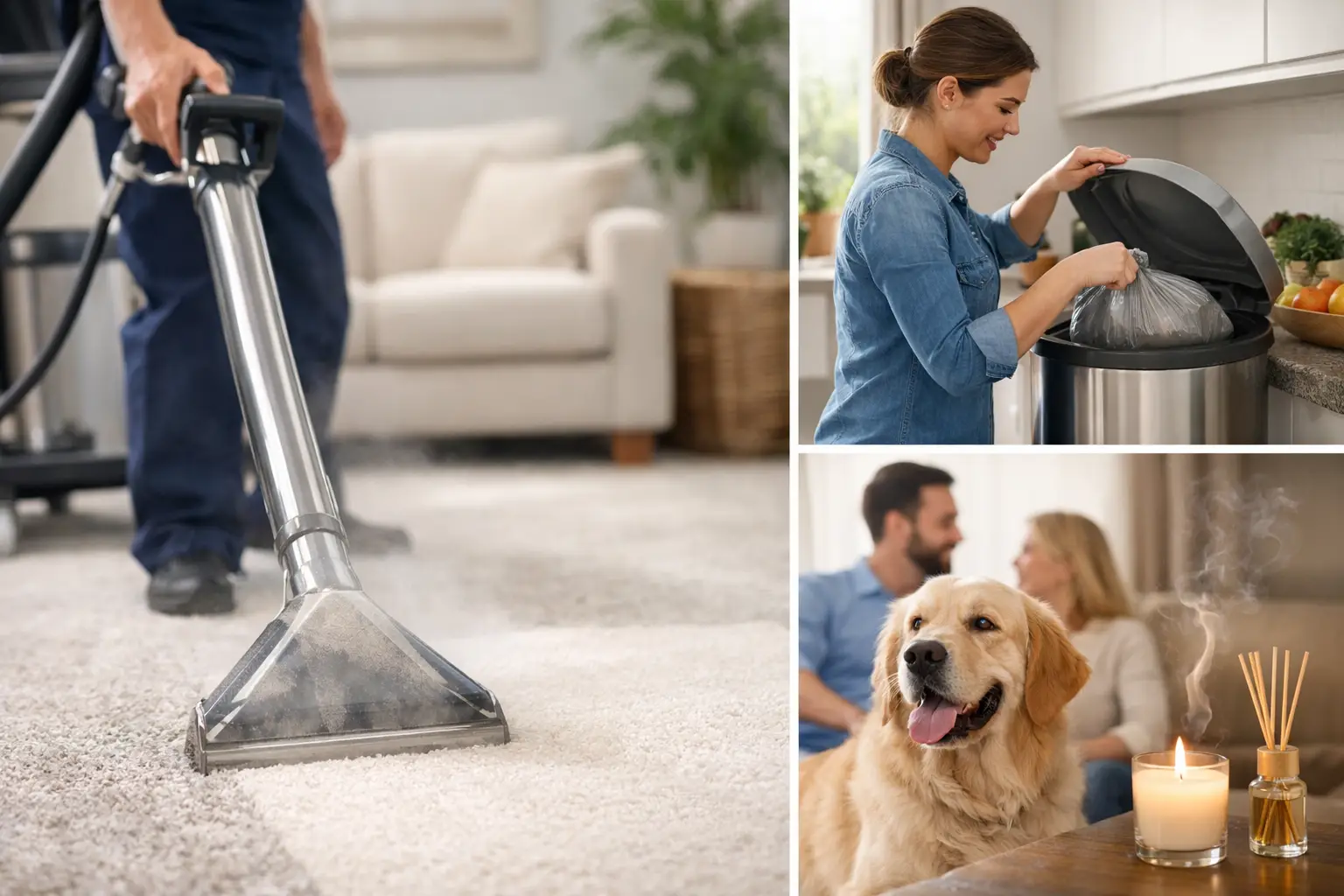
Professional hot water extraction, often called steam cleaning, helps remove embedded soil and odor-causing residue from carpet and upholstery. It is especially valuable after a heavy pollen season, before holiday guests arrive, after a move, or when a home has pets. For homeowners in Summerville, Nexton, Cane Bay, Goose Creek, and Ladson, scheduled professional cleaning is a practical way to keep everyday buildup from becoming a lasting odor issue.
A carpet or upholstery protector can also be a smart preventive step after professional cleaning. It does not make fabric invincible, and it will not stop a major pet accident from soaking through. But it can slow absorption, make routine spill cleanup easier, and help preserve the appearance of frequently used surfaces.
Handle Pet Odors Differently From Ordinary Spills
Pet odor is rarely just a surface issue. Urine can travel through carpet fibers into the backing, pad, and sometimes the subfloor. As humidity rises, odor crystals left behind can reactivate, which is why a room may smell fine one day and unpleasant the next.
The right response depends on the location, age, and severity of the accident. A small, fresh spot may respond well to immediate blotting and a quality pet-safe enzymatic treatment. Do not use ammonia-based cleaners, since their smell can resemble urine and may encourage repeat marking. Avoid masking sprays that leave a strong perfume but do not neutralize the source.
For repeated accidents, large affected areas, or odors that return after DIY treatment, professional pet odor removal is the more dependable choice. Proper remediation may require locating hidden spots, treating the contamination at the appropriate depth, and cleaning the full affected area rather than only the visible stain. No excuses and no superficial cover-up – the goal is to remove the odor source as thoroughly as the material and condition allow.
Wash pet bedding regularly, clean litter boxes often, and wipe down hard floors around feeding areas. If a pet has begun returning to the same spot, make sure the area is fully treated before changing routines or trying to block access. Pets can detect odors that people no longer notice.
Do Not Forget Kitchens, Drains, and Trash Areas
Many lingering home odors begin in places that are easy to overlook. Empty trash cans regularly, but also wash the inside of the can and let it dry completely. A liner prevents messes, yet leaked liquid and food residue can still collect at the bottom.
Clean refrigerator shelves, door seals, garbage disposal splash guards, and the area beneath small kitchen appliances. A disposal that smells unpleasant may need a thorough cleaning of its rubber guard and surrounding drain area. Never rely on harsh chemical mixtures or combine cleaning products. If a drain repeatedly smells like sewage or rotten eggs, it may be a plumbing issue rather than a cleaning issue.
In the refrigerator, discard expired foods and store odor-prone items in sealed containers. Wipe up spills immediately, particularly dairy, meat juices, and produce that has started to spoil. These small habits prevent a short-lived mess from becoming an odor that spreads through the kitchen.
Improve Airflow Without Covering Up the Problem
Fresh air helps, but airflow works best after the source has been cleaned. Open windows when weather allows, run bathroom and kitchen exhaust fans, and keep HVAC filters changed on schedule. A dirty filter can circulate dust, pet dander, and stale smells through the home.
If you use a dehumidifier, empty and clean it as directed so the machine itself does not become a source of odor. Be cautious with heavily fragranced products around infants, pets, and family members with sensitivities. A clean home should smell neutral or lightly fresh, not heavily perfumed.
For persistent odors connected to HVAC vents, smoke, water damage, or sewage, bring in the appropriate specialist. Cleaning is powerful, but some problems require plumbing, moisture restoration, or HVAC service. Knowing the difference protects your home and prevents wasted effort.
Build a Prevention Routine That Fits Your Household
Odor prevention works best when it becomes part of normal home care rather than a reaction to an embarrassing smell. Wipe spills when they happen, dry damp items quickly, vacuum regularly, wash pet bedding, and inspect moisture-prone areas each month. Then schedule deeper cleaning before odor and soil settle into carpet, rugs, tile grout, and upholstery.
For a busy family, consistency matters more than perfection. A home with kids, dogs, guests, and real life will get messy. The difference is having a reliable plan and calling a trusted local professional when the odor is beyond surface cleaning. Carolina Green Steam helps homeowners throughout Summerville and the surrounding Charleston area care for the surfaces that hold onto everyday life, using green-certified solutions and professional equipment that are safe for families and pets.
A fresh home is not about filling every room with fragrance. It is the quiet confidence of walking through your front door, taking a deep breath, and knowing the space is truly clean.